
Cali and the Pacific: The Afro-Colombian Culture That Shapes the City
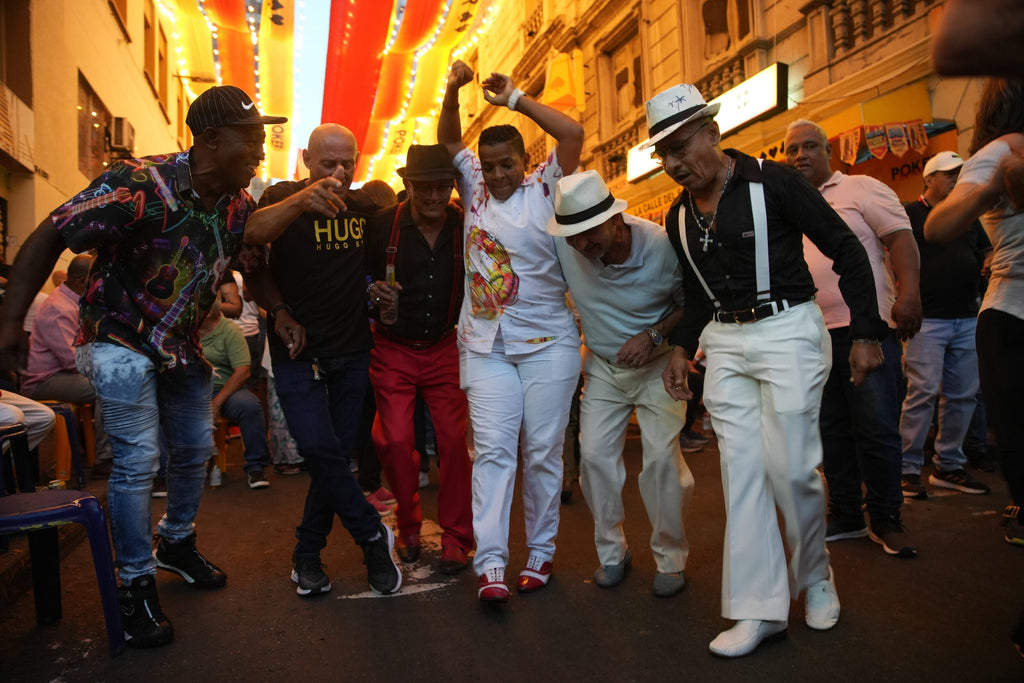
Culture & Identity · Cali, Colombia
"In Cali, the Pacific is not far away — it is here, beating strong, waiting for you to feel it as your own."
Most people think of Cali as a salsa city. And it is. But underneath the rhythm of the clubs and the footwork of the dancers, there is another story — older, deeper, and just as powerful. It is the story of the Afro-Colombian community, of the Colombian Pacific coast, and of a cultural identity that has shaped everything from the food on your plate to the music in the streets.
Cali is the gateway to the Colombian Pacific — and understanding that connection is the key to understanding the city itself.
|
30% Of Cali's population is Afro-Colombian |
100km From Cali to the Pacific coast |
800K+ Attendees at Petronio Álvarez 2025 |
Part 1
Cali: Gateway to the Colombian Pacific
The Colombian Pacific coast is one of the most biodiverse and culturally rich regions on Earth. Stretching from the border with Panama to Ecuador, it encompasses dense rainforests, mangrove estuaries, rivers, and isolated communities that have preserved ancestral traditions for centuries. The major cities of this coast — Buenaventura, Tumaco, Guapi, Nuquí — are connected to the rest of Colombia not by road but primarily through Cali.
For generations, people from the Pacific have migrated to Cali in search of education, work, and opportunity. They brought with them their music, their cooking, their language, their spiritual practices, and their way of seeing the world. Over time, this migration transformed Cali into something unique: a city where the culture of the Pacific rainforest lives side by side with urban Colombian life.
Today, approximately 30% of Cali's population identifies as Afro-Colombian — one of the largest concentrations of Afro-descendant people in any city in Latin America. Their presence is not just demographic. It is cultural, gastronomic, musical, and deeply woven into the identity of the city.
|
The Pacific Coast The Colombian Pacific is one of the wettest places on Earth — it can rain over 10,000 mm per year in some areas. This extreme rainfall has created an ecosystem of extraordinary biodiversity: jaguars, humpback whales (which give birth here every year), sea turtles, poison dart frogs, and thousands of bird species. It is also home to some of the most culturally intact Afro-Colombian and indigenous communities in the country. |
Part 2
The Afro-Colombian Community in Cali
The history of Afro-Colombians in Cali is inseparable from the history of the Pacific. During the colonial period, enslaved Africans were brought to work in the gold mines of the Chocó and the sugar plantations of the Valle del Cauca. After emancipation in 1851, many communities remained in the Pacific lowlands, developing rich cultural traditions rooted in African, indigenous, and Spanish influences.
Through the 20th century, successive waves of migration brought Pacific communities to Cali — first slowly, then in larger numbers during the periods of armed conflict that displaced families from their coastal territories. Today, Afro-Colombian families are established throughout the city, with particularly strong communities in neighborhoods like Aguablanca, Siloé, and the Distrito de Agua Blanca.
Far from being a marginalized presence, Afro-Colombian culture in Cali is central and celebrated. It shapes the city's music, its food, its religious life, its art, and its sense of identity. When caleños say their city has a special energy — a warmth, a spontaneity, a joy — much of what they're describing is the influence of the Pacific.
Part 3
Afro-Colombian Culinary Influence
The most immediate way to experience Afro-Colombian culture in Cali is through food. Pacific cuisine is one of the most distinctive in Colombia — built around coconut milk, fresh seafood, plantain, chontaduro, and ancestral cooking techniques developed over centuries along the coast.
In Cali, you can find this food throughout the city — in restaurants, street stalls, and especially at the Festival Petronio Álvarez. Here are the dishes and ingredients that define this culinary tradition:
| Encocado de camarones | Shrimp stewed in a rich coconut milk sauce with tomato, onion, and cumin. One of the defining dishes of the Pacific coast. |
| Sancocho de pescado | A hearty fish stew with plantain, yuca, corn, and fresh herbs. The Pacific version uses fish caught that same day from the coast. |
| Arroz con leche de coco | Rice cooked in coconut milk — a simple but deeply comforting dish that shows how coconut transforms even the most basic ingredients. |
| Chontaduro | The fruit of the Pacific palm, boiled and served with honey and salt. A symbol of Afro-Pacific identity and found on every corner in Cali. |
| Viche | An ancestral sugarcane spirit from the Pacific, used medicinally and ceremonially for centuries. Now gaining recognition as a fine artisanal spirit. Featured prominently at the Petronio festival. |
| Borojó | A dark, dense fruit native to the Pacific rainforest, used for juices and traditional remedies. High in nutrients and unique to this region of the world. |
|
About Viche Viche is more than a drink — it is a living piece of Afro-Pacific heritage. Made from fresh sugarcane juice through an artisanal distillation process passed down through generations, viche was traditionally prepared by women known as vicheras, who also used it for healing. For decades it existed in a legal grey area in Colombia; in recent years, the government has officially recognized it as an ancestral product with protected geographical indication. At the Petronio festival, the viche pavilion is one of the most popular spaces. |
Part 4
The Music of the Pacific
Just as the Pacific coast gave Cali much of its culinary DNA, it also gave the city some of its deepest musical roots. The music of the Colombian Pacific is built around instruments and rhythms of African origin — and it sounds like nothing else in the world.
| Marimba de chonta | A wooden xylophone made from chonta palm wood. Declared Intangible Cultural Heritage of Humanity by UNESCO in 2015. The central instrument of Pacific music. |
| Cununos & bombos | Large hand drums of African origin. The rhythmic foundation of Pacific music — deep, powerful, and hypnotic. |
| Chirimía | A brass and percussion ensemble from the Chocó region, with roots in both African and Spanish colonial music. Joyful, loud, and impossible to stand still to. |
| Violín caucano | A traditional violin style from the Cauca region that developed its own unique sound and playing technique distinct from European classical traditions. |
| Cantos tradicionales | Sacred and ceremonial songs passed down orally through generations. Used in funerals (the chigualo), in baptisms, and in celebrations. Often led by women. |
Part 5 · The Festival
Festival de Música del Pacífico Petronio Álvarez
Ciudadela Petronio Álvarez, Unidad Deportiva Alberto Galindo · August 9–17, 2026 · 30th Edition
Every August, something extraordinary happens in Cali. The city transforms into the largest celebration of Afro-Pacific culture in Latin America — and possibly the world. The Festival de Música del Pacífico Petronio Álvarez brings together musicians, dancers, cooks, artisans, and communities from across the Colombian Pacific in an eight-day event that is simultaneously a music competition, a cultural fair, a gastronomic festival, and a living expression of identity and resistance.
Named after Patricio Petronio Álvarez — a celebrated composer and musician from the Valle del Cauca — the festival was born in 1997 with a simple goal: to preserve and celebrate the musical traditions of the Colombian Pacific, which were at risk of being forgotten in the urban context. Nearly three decades later, it has grown into one of the most important cultural events in the Americas.
|
2026: A Historic Edition The 2026 edition marks the 30th anniversary of the festival — its most ambitious edition yet. Under the theme "La Casa Grande del Pacífico dialoga con el mundo, desde la raíz" (The Great House of the Pacific speaks to the world, from its roots), the festival will host a Global Afrodiasporic Summit that will bring leaders, artists, academics, and community representatives from Africa, the Caribbean, and the Americas to Cali. The 2025 edition drew over 800,000 people. For 2026, organizers expect to surpass one million attendees. |
What Happens at the Festival
The heart of the festival is the Ciudadela Petronio Álvarez, a purpose-built festival city inside the Unidad Deportiva Alberto Galindo. Over eight days, it transforms into a world of music, food, and culture:
| Music Competition | Groups compete in five categories: Marimba y cantos tradicionales, Violín caucano, Chirimía de flauta, Chirimía de clarinete, and Formato libre. In 2025, 52 groups competed — the most in the festival's history. |
| Gastronomy Pavilion | Over 200 food stands serving authentic Pacific cuisine — encocados, sancochos, aborrajados, rice with coconut milk, fresh seafood, and more. The aromas of coconut, fish, and chontaduro fill the air. |
| Viche Pavilion | Dedicated entirely to ancestral Pacific spirits — viche, tomaseca, arrechón, and other traditional drinks made by artisanal producers from the Pacific communities. |
| Artisan Market | Craftspeople from across the Pacific sell handmade instruments (marimbas, guasás), jewelry in tagua and seeds, woven textiles, and traditional clothing. |
| Muestra de Expresiones Tradicionales | Workshops and demonstrations of traditional knowledge — Afro-Colombian hairstyles, traditional medicine, ancestral cooking techniques, and spiritual practices. |
| Petronito | The children's and youth component of the festival — a music program that trains new generations in Pacific traditional music, ensuring the traditions survive into the future. |
Practical Information
| 2026 Dates | August 9–17, 2026 |
| Location | Ciudadela Petronio Álvarez, Unidad Deportiva Alberto Galindo, Cali |
| Hours | From 10:00 AM daily — activities run through the night |
| Getting there | MIO (Masivo Integrado de Occidente) via the Troncal del Norte — the easiest and most recommended way to arrive |
| Family friendly | Yes — daytime programming includes activities specially designed for children |
| Official website | petronioalvarez.com ↗ |
| @petronioco ↗ |
Why This Matters for Every Visitor
You don't have to be a music scholar or an anthropologist to feel what the Petronio festival means. You just have to show up, let the sound of the marimba wash over you, eat a plate of encocado under the lights, and watch the faces of the people around you — many of whom have traveled from isolated Pacific communities to share what they know and who they are.
In a world where indigenous and ancestral cultures are constantly under pressure, the Petronio Álvarez is a rare and powerful reminder that tradition is not the past — it is a living, breathing, dancing, singing present.
And Cali, the gateway to the Pacific, is where you come to find it.
|
"In Cali, the Pacific is not far away — it is here, beating strong, waiting for you to feel it as your own." Festival Petronio Álvarez · Cali, Colombia · August 9–17, 2026 |